Skip to Content

Brown Porcelain Countertop

A Modern Surface Built to Last

Brown porcelain countertop is a kitchen or bathroom surface made from engineered slabs of natural clay, feldspar, and quartz, fired at temperatures typically ranging from 1,200°C to 1,400°C to produce a dense, non-porous material. It is available in warm earth tones ranging from soft taupe and beige to deep espresso and mocha, offering a refined and consistent aesthetic suited to a wide range of interior styles.

What Is Brown Porcelain Countertop?

Porcelain slabs are manufactured through a vitrification process in which clay-based materials are fired at extreme heat, creating an exceptionally compact and durable surface. Unlike natural stone, this material is non-porous by nature, which means it does not absorb liquids or require sealing after installation.

Each slab is consistent in composition, though designs can vary between collections and manufacturers, allowing for flexibility across different project styles and scales.

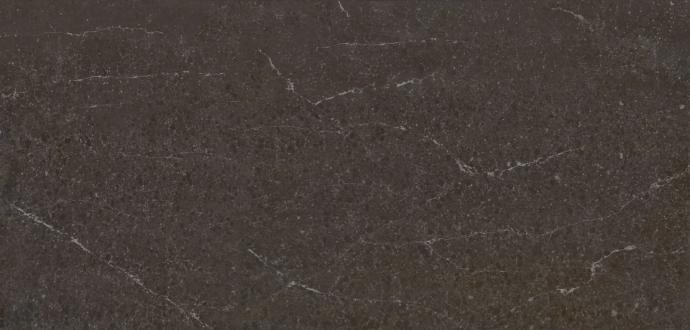
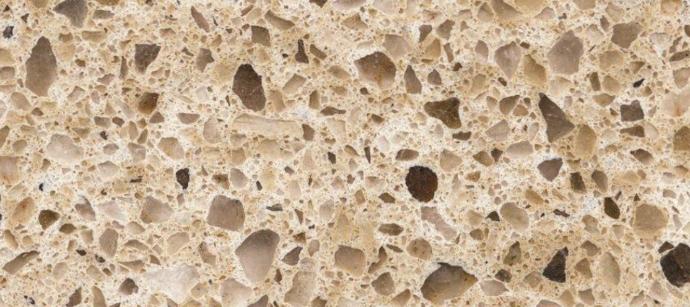
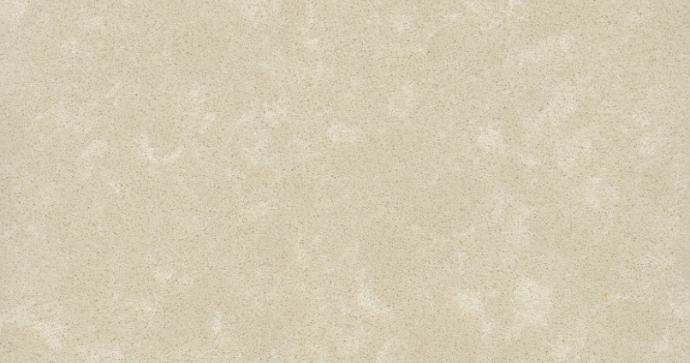
Brown Porcelain Slab Selection

Where Earthy tones meet modern design

Benefits and Durability

Slabs of this material generally rate around 7 on the Mohs hardness scale, with some varieties reaching higher depending on finish and manufacturing process, placing them on par with or harder than granite, which typically rates between 6 and 7. This translates to strong resistance against everyday scratching and surface wear.

This engineered surface is also etch-resistant, meaning acidic substances such as citrus juice, vinegar, and wine will not discolor or damage it, a key advantage over marble and other calcite-based stones. Its non-porous composition further resists staining and bacterial absorption, supporting a hygienic environment in both kitchens and bathrooms.

Because porcelain undergoes vitrification at extreme kiln temperatures, the resulting slab is dimensionally stable, it does not expand, contract, or warp with shifts in temperature or humidity the way some other surface materials can. This makes it a particularly reliable choice for outdoor kitchen installations and indoor applications near high-heat zones, where long-term structural integrity matters as much as surface performance.

Porcelain also holds its color and finish under prolonged sun exposure, unlike some quartz composites that can fade or yellow over time, a meaningful advantage in kitchens with large windows or any space where natural light plays a significant role in the design. For buyers comparing options, this UV stability is one of the more overlooked performance differentiators between porcelain and other engineered surfaces at a similar price point.

One consideration worth noting is that edges can be vulnerable to chipping under heavy impact, making professional installation by an experienced fabricator strongly recommended.

Aesthetic Appeal of Warm-Toned Porcelain Slabs

These slabs range from subtle matte finishes that replicate the texture of natural stone to high-gloss surfaces that add depth and warmth to any interior. Earthy tones pair naturally with wood cabinetry, matte black hardware, and neutral wall palettes, making them a strong fit for both a kitchen remodel and a bathroom vanity upgrade.

Unlike natural stone, porcelain offers a more consistent pattern across slabs, an advantage for large kitchen islands or projects requiring a uniform appearance. For those drawn to organic variation and one-of-a-kind patterning, a brown natural stone countertop remains a compelling alternative worth exploring.

Caring for Your Countertop

Because this material is non-porous, no sealing is needed at any point. For daily cleaning, warm water and a mild, non-abrasive cleanser applied with a soft cloth are all that is required. Abrasive scrubbing pads and harsh chemical cleaners should be avoided to preserve the surface glaze over time.

For deeper cleaning or occasional disinfecting, a diluted isopropyl alcohol solution applied with a soft cloth is safe to use and will not affect the surface finish. Unlike natural stone, porcelain does not react to pH variations, so there is no risk of etching from household cleaning products, provided they are non-abrasive.

Latest Insights

Your Dynamic Snippet will be displayed here... This message is displayed because you did not provided both a filter and a template to use.

Frequently Asked Questions

No. Porcelain is an engineered material made from fired clay, feldspar, and quartz, while natural stone is quarried directly from the earth. Although porcelain can closely mimic the look of marble, granite, or quartzite, it offers a more consistent pattern across slabs and does not require the ongoing maintenance that natural stone demands. For homeowners who want the warmth and character of stone without the upkeep, brown porcelain slabs for countertops are a practical and visually compelling alternative.

No, and this is one of its most significant practical advantages. Because porcelain is non-porous by nature, it does not absorb liquids, bacteria, or staining agents at any point, before or after installation. Unlike granite or marble, which typically require periodic resealing to maintain their resistance to stains and moisture, porcelain needs no such treatment. A simple cleaning routine is all that is needed to keep the surface in excellent condition over time.

Yes. Most porcelain slabs rate around 7 on the Mohs hardness scale, placing them on par with or harder than granite, which typically rates between 6 and 7. Beyond scratch resistance, the surface is etch-resistant, meaning common kitchen acids like citrus juice, vinegar, and wine will not discolor or pit it the way they would marble or other calcite-based stones. Its non-porous composition also resists staining and bacterial absorption, making it one of the more hygienic countertop options available for busy kitchens.

No. Porcelain holds its color and finish under prolonged sun exposure, which makes it more UV-stable than some quartz composites that can yellow or fade in bright, sun-facing spaces. This stability extends to temperature and humidity as well, because the slab undergoes vitrification at extreme kiln temperatures, it does not expand, contract, or warp with seasonal changes, making it a reliable long-term choice for both indoor and outdoor kitchen applications.

Daily maintenance is straightforward. Warm water and a mild, non-abrasive cleanser applied with a soft cloth are sufficient for routine cleaning. For deeper cleaning or occasional disinfecting, a diluted isopropyl alcohol solution is safe to use and will not affect the surface finish. Abrasive scrubbing pads, steel wool, and harsh chemical cleaners should be avoided, as these can dull or scratch the surface glaze over time. No sealing, polishing, or special treatments are required at any stage.


Transform Your Space

Your trusted tile and stone company carries thousands of slabs across showrooms in Reno, Sacramento, Minden, and Fernley, including a curated selection of warm brown tones. Whether you are planning a kitchen remodel or a bathroom vanity upgrade, our team is available to guide you through slab selection and match the right material and finish to your space.

Visit a showroom today and explore the full range of options in person.