Zermatt Quartzite For Interior Walls
A Hard Natural Stone Built for Vertical Surfaces
Zermatt Quartzite is a strong natural stone suited to vertical interior applications where durability and visual continuity matter. It works well for kitchen backsplashes, shower walls, vanity surrounds, and feature walls because a full slab surface reduces grout lines and creates a cleaner, more seamless finish. Its dense composition and natural hardness also help it perform well in spaces exposed to moisture, routine cleaning, and daily use.
Where Zermatt Quartzite For Interior Walls Works Best
This stone works across a wide range of interior wall applications. In bathrooms, it performs well as a full-height shower wall, a vanity backsplash, or a bath surround. In kitchens, it serves as a durable backsplash material that handles steam, cooking splatter, and regular cleaning better than many softer alternatives. It also works well for feature walls, fireplace surrounds, and other interior vertical surfaces where durability and visual continuity matter.
Visit Our Regional Showrooms
Nova Tile and Stone, offers quartzite slabs that can be viewed in person at its showroom locations across Northern Nevada and California. Visitors can explore available inventory and compare slab options at any of the company’s four showrooms:
- Reno
- Sacramento
- Minden
- Fernley
Integrated Kitchen Design
The stone kitchen countertop page is a useful reference for buyers planning a space where the wall surface and countertop will share the same material. For those also considering a kitchen island application, the quartzite kitchen island page explains how quartzite performs on horizontal surfaces that often connect visually with the wall design.
Material Performance Across the Home
For broader design context on how natural stone slabs function across different spaces, our resources cover key considerations for wall, floor, and countertop applications. This helps ensure the selected material meets the functional demands of each room in the project.
Quartzite That Holds Its Own on Every Wall Surface
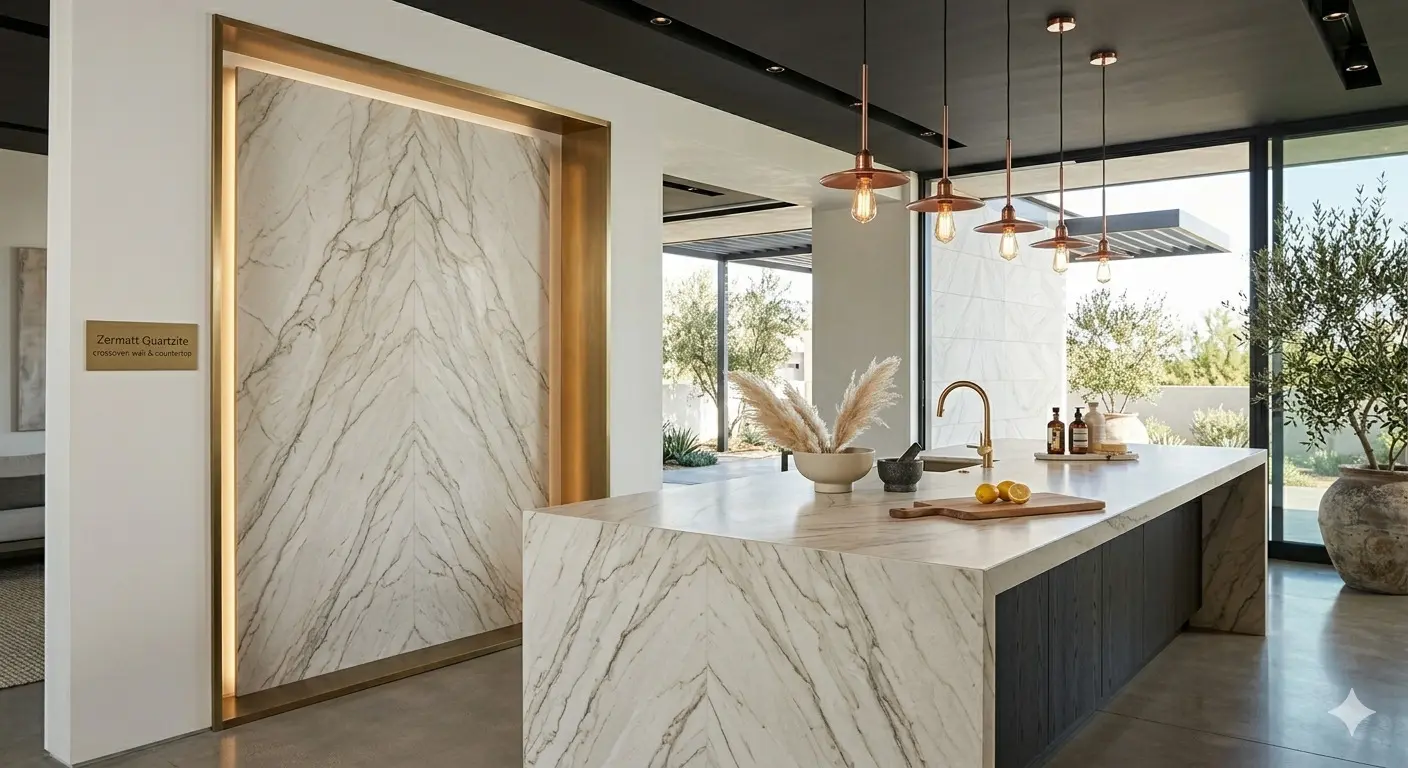
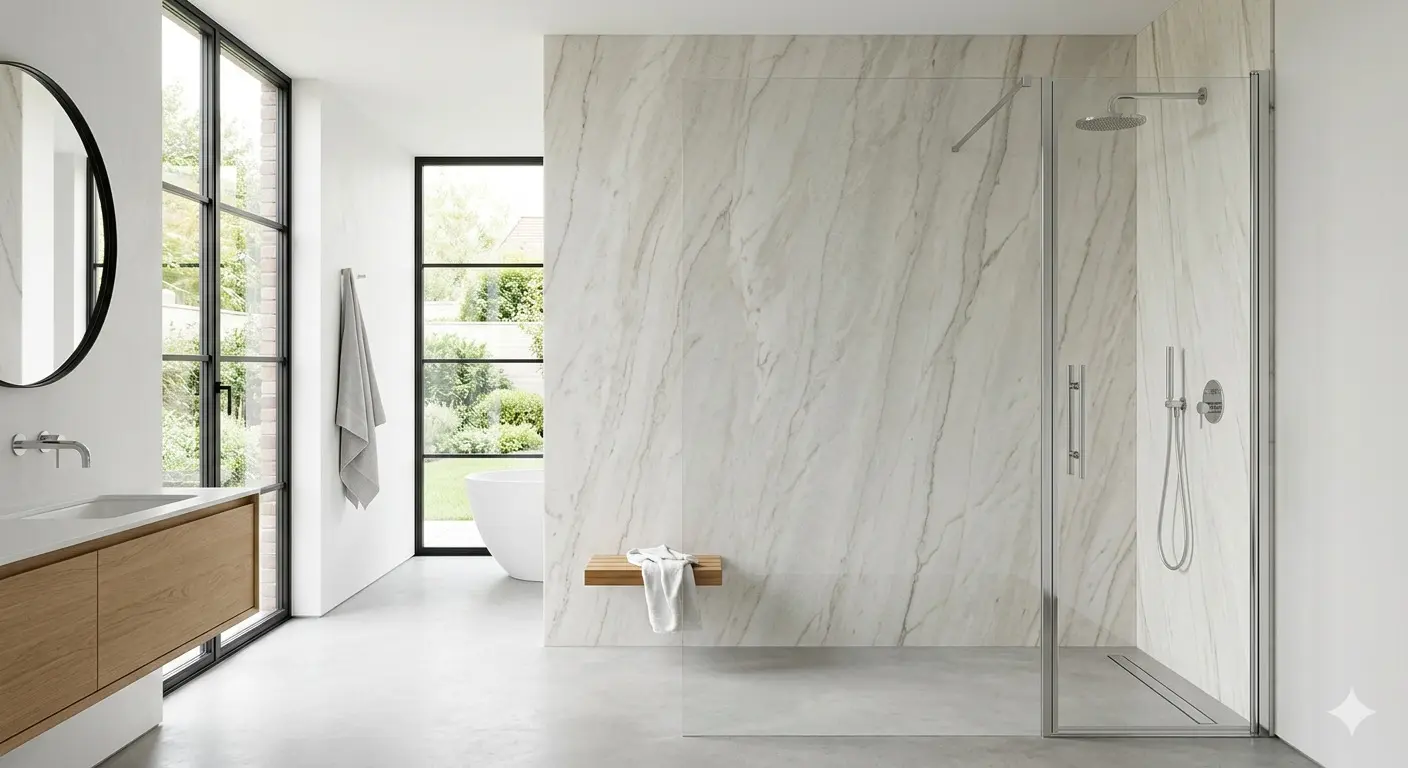
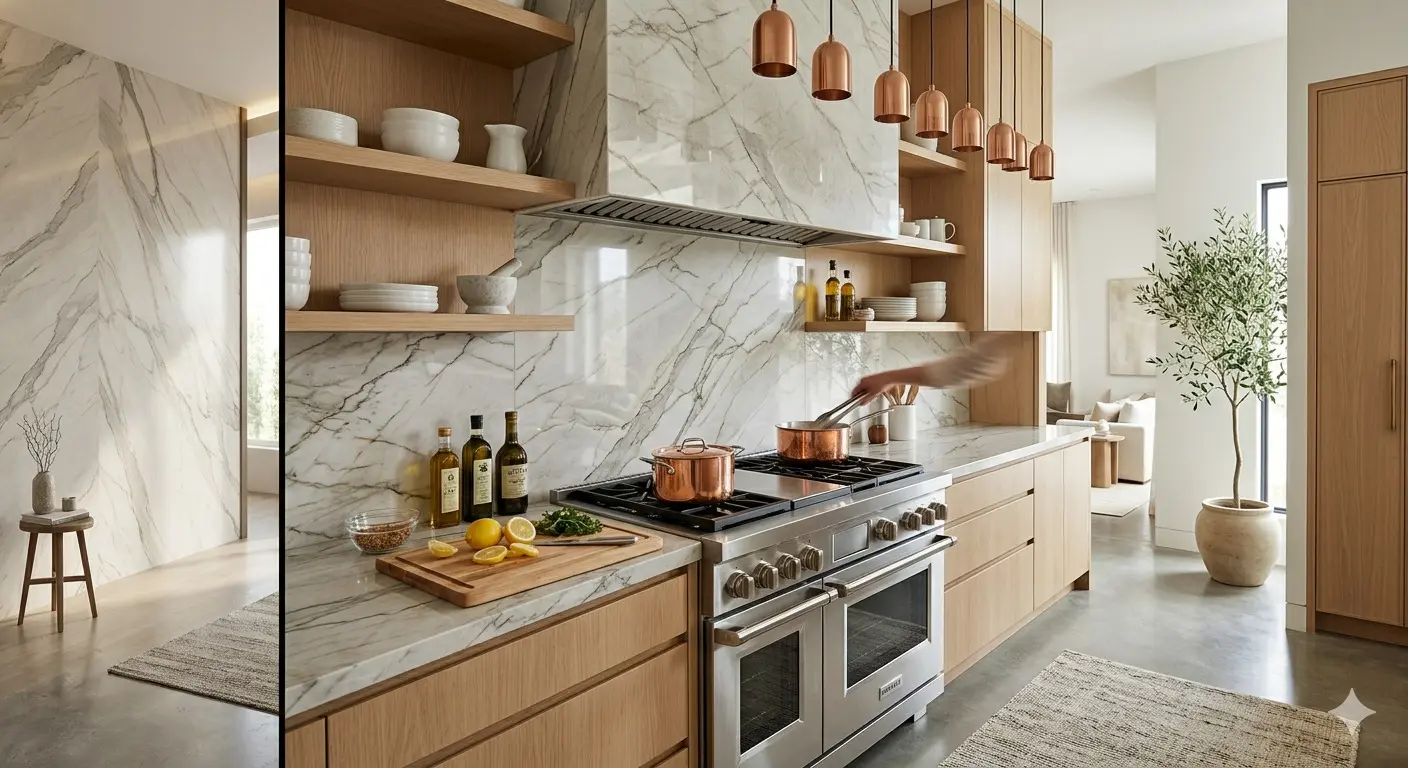
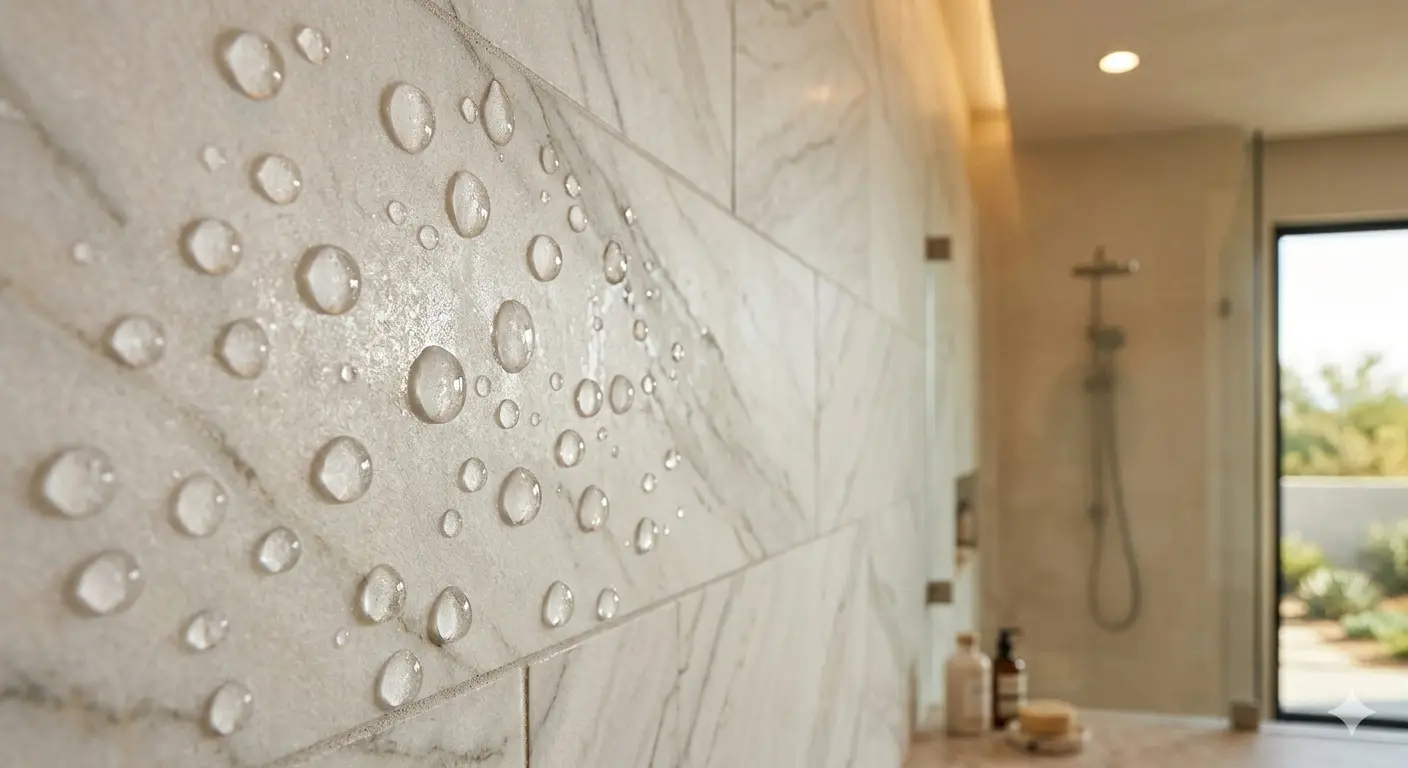
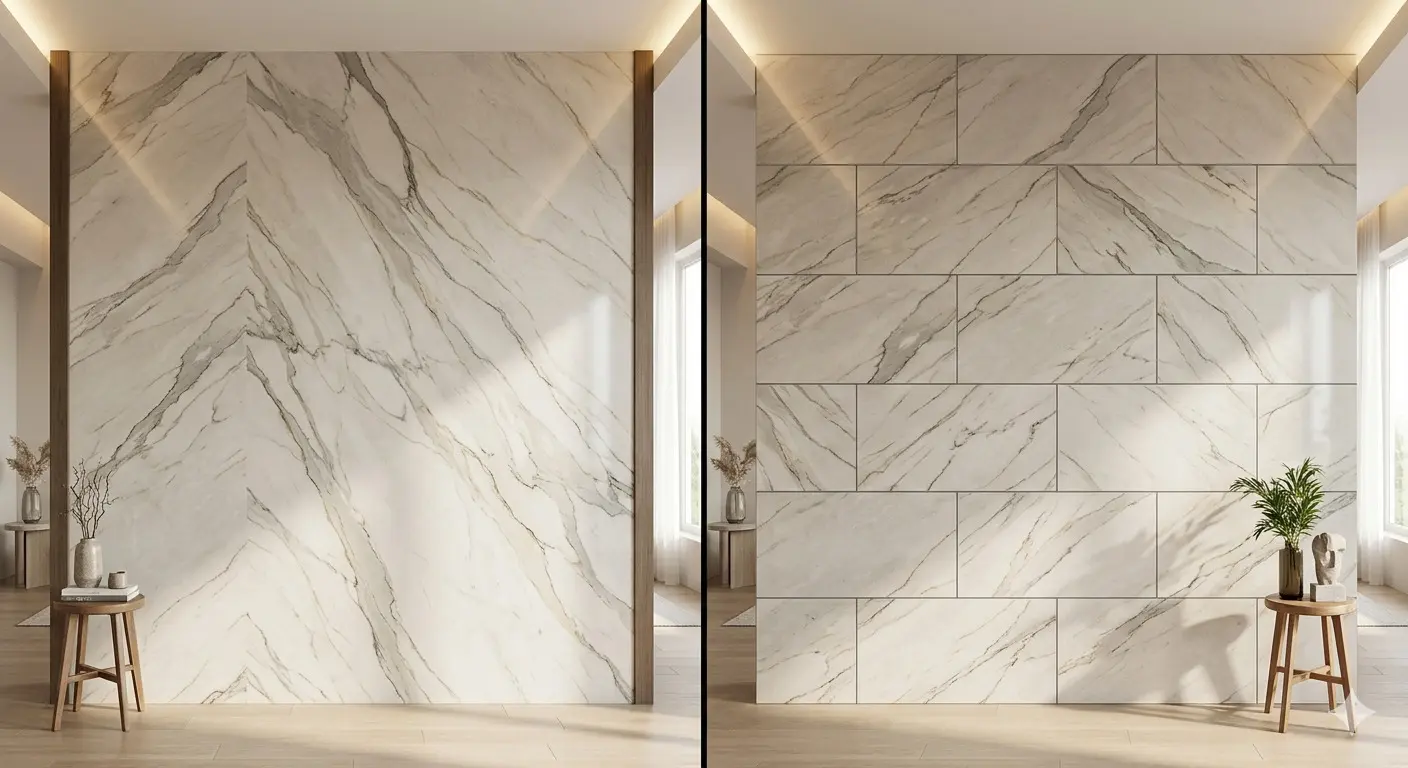
Quartzite forms when sandstone is transformed under extreme subterranean heat and pressure, producing one of the hardest natural stone surfaces available for residential use. According to This Old House's stone overview, quartzite is widely recognized for delivering marble-like aesthetics at significantly greater hardness, which is a critical advantage on wall surfaces that face moisture, cleaning, and regular physical contact.
Unlike tiled wall applications that rely on grout lines susceptible to staining, mildew, and maintenance over time, a full quartzite slab wall surface eliminates those joints entirely. The stone runs uninterrupted, creating a seamless visual that grout-dependent formats cannot replicate. For guidance on caring for a natural stone wall surface long-term, the Natural Stone Institute's care guide covers sealing schedules and cleaning methods that apply directly to quartzite wall applications.
- Suitable for interior wall applications, provided the substrate, adhesive, and support system are specified correctly
- Scratch resistant at Mohs 7, though abrasive cleaning tools should still be avoided
- Moisture resistant, with proper sealing recommended for shower walls and other wet areas
- Seamless slab surface reduces grout lines where mold, staining, and residue can build up
- Easy to clean with mild soap and water, though acidic cleaners should be avoided
- Well suited to bathrooms, backsplashes, and feature walls where durability and visual continuity matter
- Each slab is unique, so every wall installation has a distinct appearance
Benefits of Zermatt Quartzite
A Wall Surface Worth the Investment
Zermatt Quartzite provides lasting value on any wall it covers. Its Mohs 7 hardness means it does not chip or scratch easily, and its natural density resists the surface degradation that softer stones experience in moisture-heavy environments over time. Choosing the right finish matters for wall applications: Fine Homebuilding's natural stone guide provides a useful breakdown of how polished, honed, and leathered finishes each behave differently in terms of maintenance demands and visual character. The material resists fading and holds its appearance across years of use, but correct sealing frequency for the specific wall environment should always be planned in advance.
Frequently Asked Questions
Yes. Quartzite is suitable for wall applications and has a Mohs hardness of around 7, which makes it a durable choice for bathroom surfaces. With proper sealing, it performs well in full-height shower walls, vanity surrounds, and bath enclosures. Honed or leathered finishes are generally preferred for wet wall environments.
Honed is often preferred for bathroom and shower walls because it has a matte look and handles water exposure more gracefully than polished finishes. Polished works well for dry interior walls, such as kitchen backsplashes, where a more reflective appearance is preferred. Leathered adds texture and can work well in select interior wall applications where a more tactile surface is desired.
Annual resealing is a reliable baseline for interior wall surfaces. Shower walls and other high-moisture applications may require resealing every six to nine months. A simple water absorption test can help confirm when the sealant needs to be refreshed.
Yes. It works well across both horizontal and vertical applications, which makes it a practical choice for kitchen spaces where the backsplash wall and countertop are intended to match in material and finish.
A full slab eliminates grout lines across the wall. Tile walls require ongoing grout maintenance, particularly in wet environments where mold and staining are persistent concerns. A slab surface is easier to clean, more visually continuous, and more durable in high-moisture wall applications.

Bring Your Wall Project to Life With Natural Stone
Explore Zermatt Quartzite slabs in person and get expert guidance on the right finish and slab configuration for your wall application.
Visit a Showroom
SHOP SLABS ONLINE