Zermatt Quartzite Patio
Zermatt Quartzite Patio is a premium natural metamorphic stone rated 7 on the Mohs hardness scale and listed as suitable for floors, outdoor use, and UV-exposed environments in our material checklist. It is scratch resistant, moisture resistant, and UV resistant, which gives it a credible performance profile for patio floor surfaces that face seasonal weather, direct sun, outdoor furniture contact, and regular foot traffic.
Proper sealing and finish selection are both essential for maintaining the stone's outdoor performance, and those choices should reflect the specific exposure level of the patio. Whether you are designing a modern covered terrace, an open-air entertaining space, or a transitional indoor-outdoor living zone, Zermatt Quartzite brings the kind of natural character and geological strength that manufactured patio materials cannot replicate.
Quartzite Built for Patio Surfaces: Material, Finish, and Practical Performance
Quartzite's metamorphic formation process produces a dense, interlocking crystalline structure that gives it far greater resistance to the abrasive demands of a patio floor than softer natural stones like marble or travertine. According to This Old House's stone overview, quartzite is one of the most durable natural stone choices available for demanding surface applications, and that reputation applies directly to outdoor patio floors where seasonal temperature changes, rain, and UV combine to stress softer materials over time.
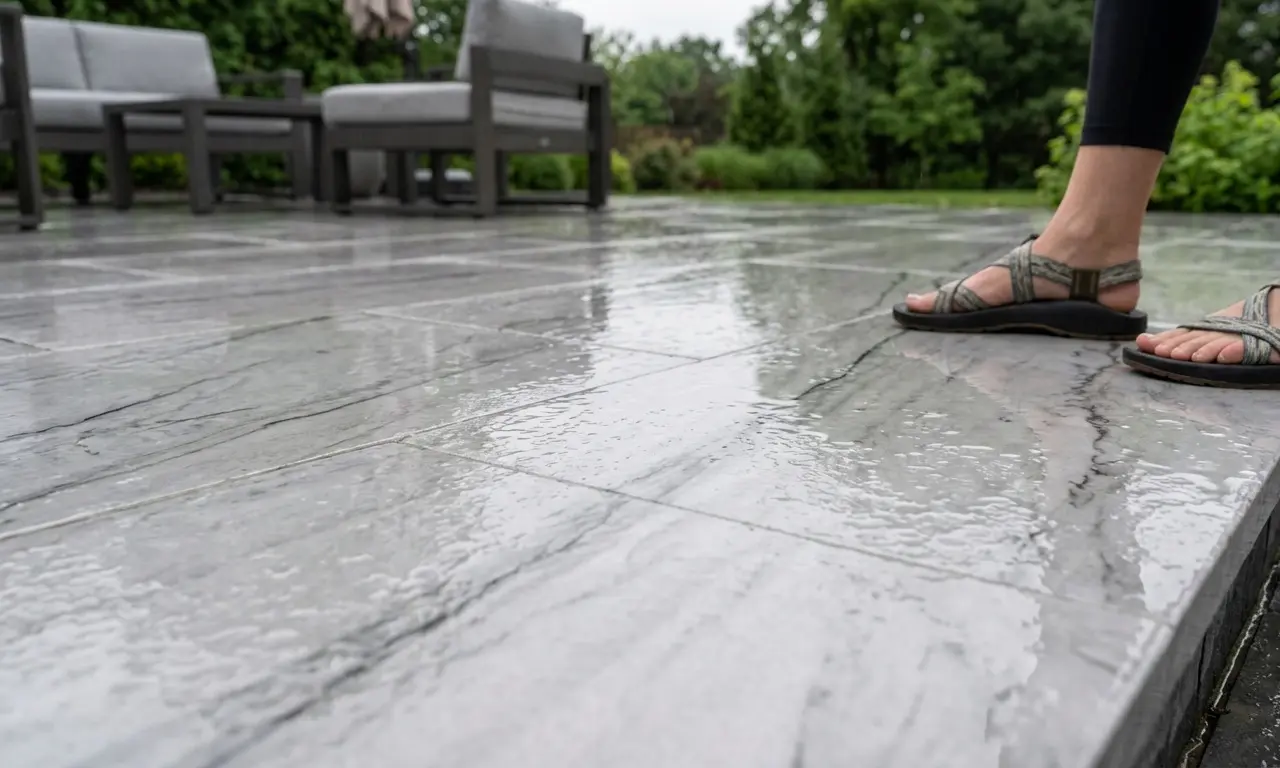
The honed finish is the most practical choice for outdoor patio floors. It provides a matte, slip-resistant surface that holds up underfoot in wet conditions and ages gracefully without the glare that a polished surface produces in direct sunlight. A leathered finish is a strong alternative for covered patios or outdoor living areas with a more relaxed design aesthetic, adding tactile texture without sacrificing durability. For ongoing care, the Natural Stone Institute's care guide is a reliable resource for understanding the sealing schedules and cleaning practices that keep natural quartzite patio floors performing well season after season.
Compared to standard tile patio layouts, which divide the floor surface into individual units connected by grout lines susceptible to cracking, staining, and weed infiltration over time, a full quartzite slab format eliminates those maintenance points entirely across the patio surface.
Design With Zermatt Quartzite Patio
Zermatt Quartzite Patio works across a wide range of patio formats and outdoor living configurations. The stone's natural veining and neutral light tone adapt to both formal and relaxed outdoor design directions, making it a practical choice for buyers with very different aesthetic goals. Because each slab is geologically unique, no two patio installations will ever look identical, and that individuality adds genuine design character that manufactured stone alternatives cannot offer.
Patio Floor Layout Options
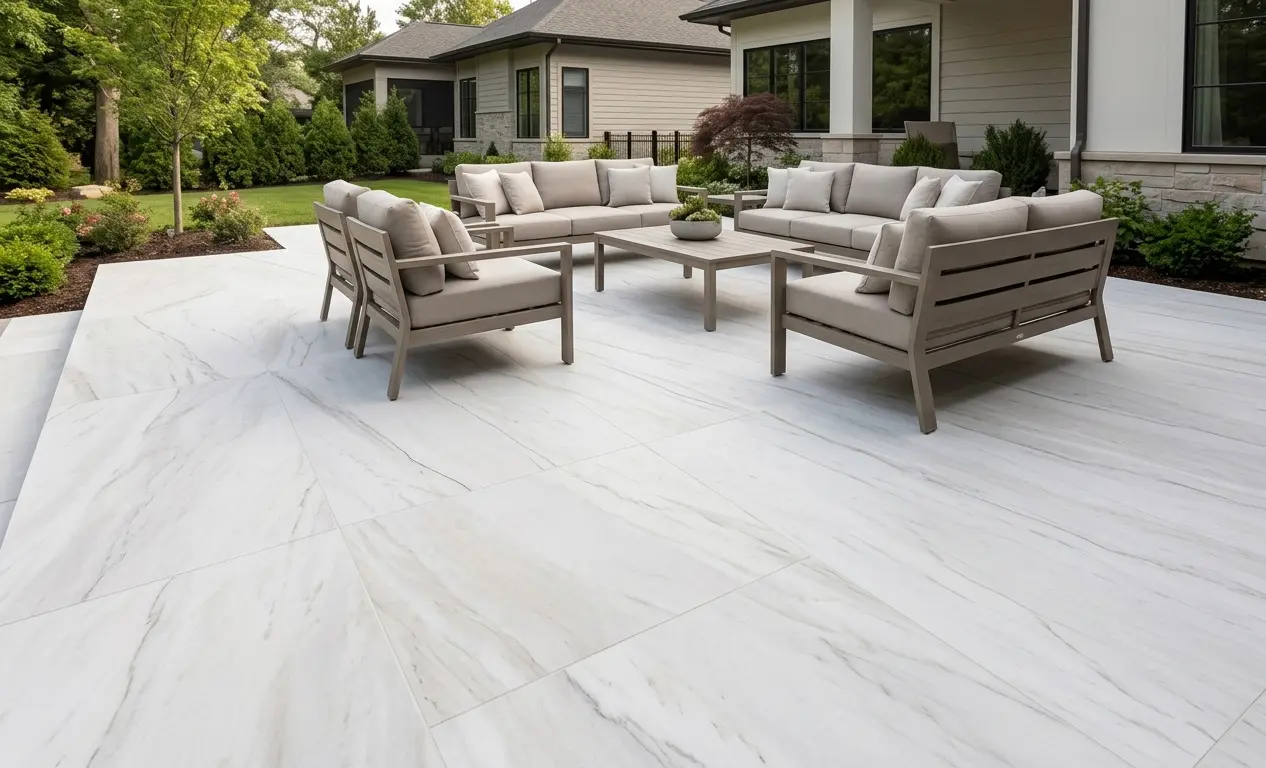
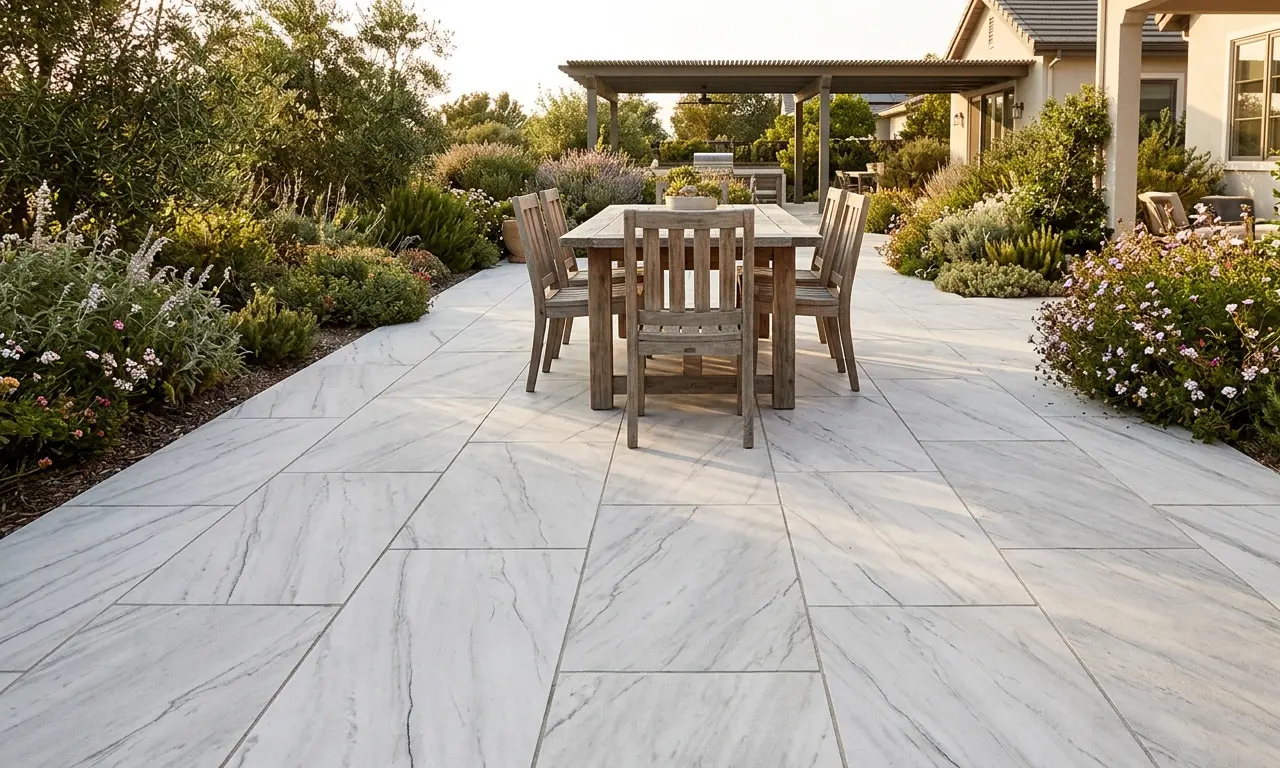
Large-format slab pieces in a straight grid layout create a clean, contemporary patio surface that suits modern architectural contexts. A staggered offset pattern introduces more visual movement and suits transitional and relaxed design directions without breaking the seamless slab advantage.
For covered patios and covered outdoor dining areas, a polished finish can be considered since direct weather exposure is reduced, allowing the stone's natural veining to read with maximum visual clarity. Nova Tile and Stone, a trusted natural stone resource for homeowners across Northern Nevada and California, carries quartzite slabs at four showroom locations in Reno, Sacramento, Minden, and Fernley where each layout option can be visualized in person.
Crossover to Adjacent Outdoor and Indoor Surfaces
A Zermatt Quartzite Patio floor often leads into adjacent outdoor kitchen surfaces, covered lounge walls, or interior living spaces where material continuity is a design priority. The same slab that works on the patio floor transitions naturally to a modern kitchen countertop, a luxury bathroom vanity, or an indoor accent wall surface, maintaining visual cohesion across the full home.
For buyers planning a connected outdoor kitchen alongside the patio, the natural stone outdoor countertop page covers how quartzite performs on horizontal outdoor cooking surfaces. Understanding how quartzite tones read alongside interior cabinetry finishes is also worth considering early; the blog post on countertops for dark cabinets covers how light quartzite tones like Zermatt pair with dark interior cabinetry, which is useful for buyers planning interior crossover surfaces.
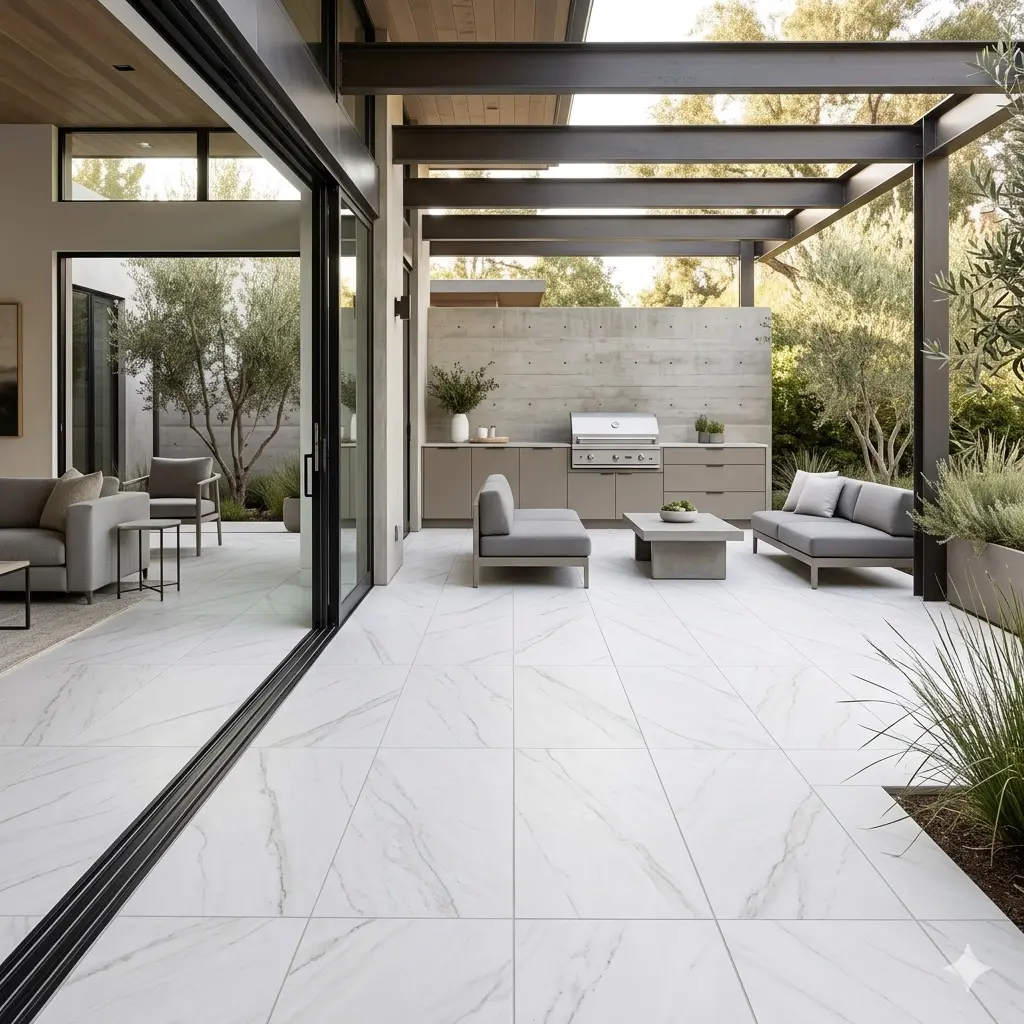
What This Stone Delivers on a Patio
Patio surfaces face a different set of demands than interior floors UV, rain, foot traffic, furniture drag, and temperature cycling all affect the stone over time. Understanding how Zermatt Quartzite handles those demands, and what care it requires, is essential before committing to it as a patio floor material. The notes below reflect the checklist data and practical performance considerations specific to outdoor floor use.
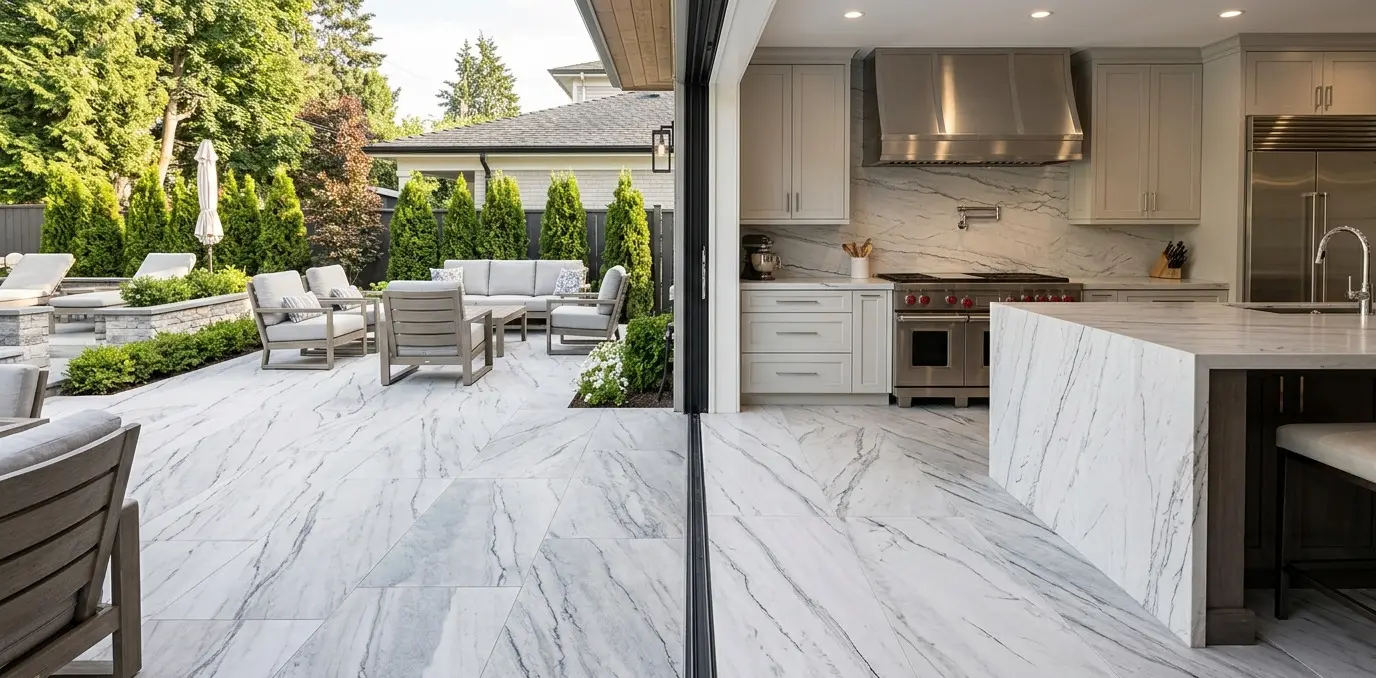
Patio Performance Benefits
- Floor and outdoor use listed as suitable in the master material checklist, but correct finish for the specific patio exposure level is essential
- UV resistant per checklist, but performance may vary depending on finish and degree of direct sun exposure over time
- Scratch resistant at Mohs 7, but dragging heavy outdoor furniture across the surface without protection is not recommended
- Moisture resistant by geological composition, but outdoor patio floors require regular sealing and more frequent resealing than indoor surfaces
- Seamless slab format eliminates grout lines that crack, stain, and collect organic debris on patio floor surfaces over time
- Each slab is unique, so viewing full-scale pieces before selection is strongly recommended
Finish and Care for Outdoor Patio Floors
- Honed finish is the preferred choice for open-air patios because it resists glare, provides better grip underfoot in wet conditions, and ages gracefully outdoors
- Leathered finish suits covered patios and outdoor lounges where a textured, informal surface feel is preferred
- Easy to clean with mild soap and water, but acidic cleaners, bleach, and abrasive tools should always be avoided
- For a detailed guide on finish selection for outdoor stone applications, Fine Homebuilding's natural stone guide offers practical guidance on how polished, honed, and leathered finishes behave differently under real outdoor conditions
A Patio Surface That Earns Its Place Year After Year
Zermatt Quartzite Patio is a long-term investment for any outdoor living space. Its Mohs 7 hardness, UV resistance, and natural moisture resistance give it a durability foundation that softer patio materials lack. The material resists fading, but prolonged UV exposure should still factor into finish selection and sealing planning for fully exposed outdoor patio environments.
For buyers also planning an adjacent quartzite bathroom vanity or interior countertop surface, the quartzite bathroom countertop page covers how this material performs on indoor vanity surfaces, which is useful context for maintaining design cohesion between the patio and interior spaces. Because no two Zermatt Quartzite slabs are identical, the patio floor you build with this stone will carry a natural individuality that lasts for decades without needing design updates to stay relevant.
Everything You Need to Know Before Buying Your Slabs
Frequently Asked Questions
Yes. Quartzite is listed as suitable for floors and outdoor use in our material checklist. At Mohs 7, it handles outdoor foot traffic, UV exposure, temperature cycling, and moisture well when properly sealed. A honed or leathered finish is recommended for open-air patio floors because both offer better slip resistance than polished.
Honed is the most practical choice for exposed patio floors because it is matte, slip-resistant underfoot in wet weather, and ages well without showing UV-related glare. Leathered works well for covered patio areas and relaxed outdoor settings. Polished is better suited to covered or sheltered patio environments with reduced direct weather exposure.
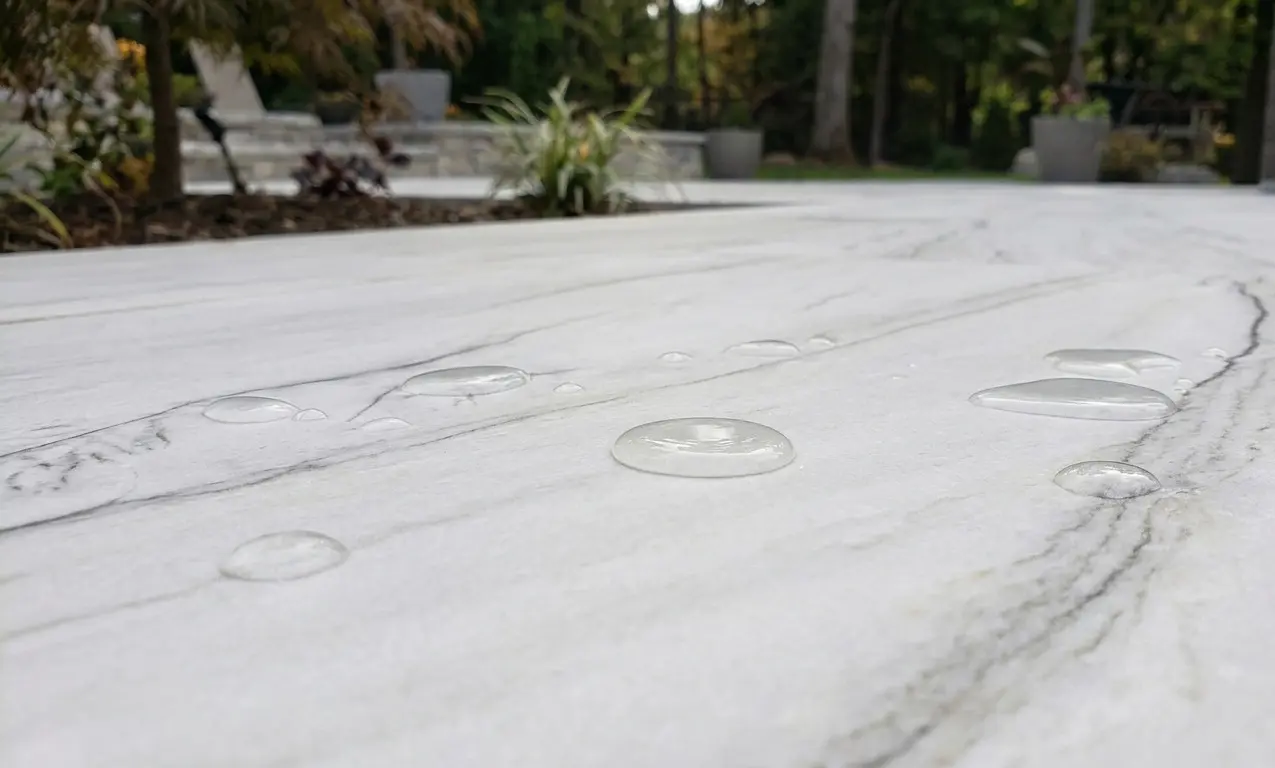
More frequently than interior surfaces. Annual resealing is a reliable baseline, but open-air and high-sun patio floors may benefit from resealing every six to nine months. A simple water drop test will tell you when the sealant needs refreshing.
Yes. The same material transitions naturally to indoor kitchen countertops, bathroom vanities, and accent walls, making it a practical choice for buyers who want visual continuity between their outdoor patio and interior spaces.
A full slab format eliminates grout lines across the patio floor. Tile patio floors require ongoing grout maintenance, especially outdoors where cracking, staining, and organic growth in the joints are persistent concerns. A slab surface is seamless, easier to clean, and delivers a stronger visual result across a large outdoor floor area.
Build Your Patio on Stone That Lasts
Explore Zermatt Quartzite slabs in person at any of our four showrooms in Reno, Sacramento, Minden, or Fernley and get expert guidance on the right finish and slab for your patio project.